- SOUN posted Q4 2025 revenue of $55.1M, beating consensus of $54.0M.
- H.C. Wainwright cut price target to $20 from $26; Buy rating maintained.
- FY2026 guidance set at $225M–$260M, implying 43.5% growth at the midpoint.
YTD: -13.7% vs. Russell 2000 +6.1%
SoundHound AI closed fiscal 2025 with a cleaner quarter than the Street expected. Q4 revenue of $55.1M cleared both H.C. Wainwright’s $52.1M estimate and the $54.0M consensus. EPS came in at -$0.02 against a forecasted -$0.10. That EPS delta is the kind of number that moves sentiment on a high-beta name like SOUN.
Gross margins have expanded for three consecutive quarters, now sitting at 43%. Management targets 70% longer-term — a credible ceiling for a software-driven voice AI model, but a long road from here. Operating profitability is floated as a Q4 2026 possibility, though the analyst community is not pricing that in. Organic growth is running on new contract wins and renewals across automotive, hospitality, and restaurant verticals, with no M&A contribution baked into guidance.
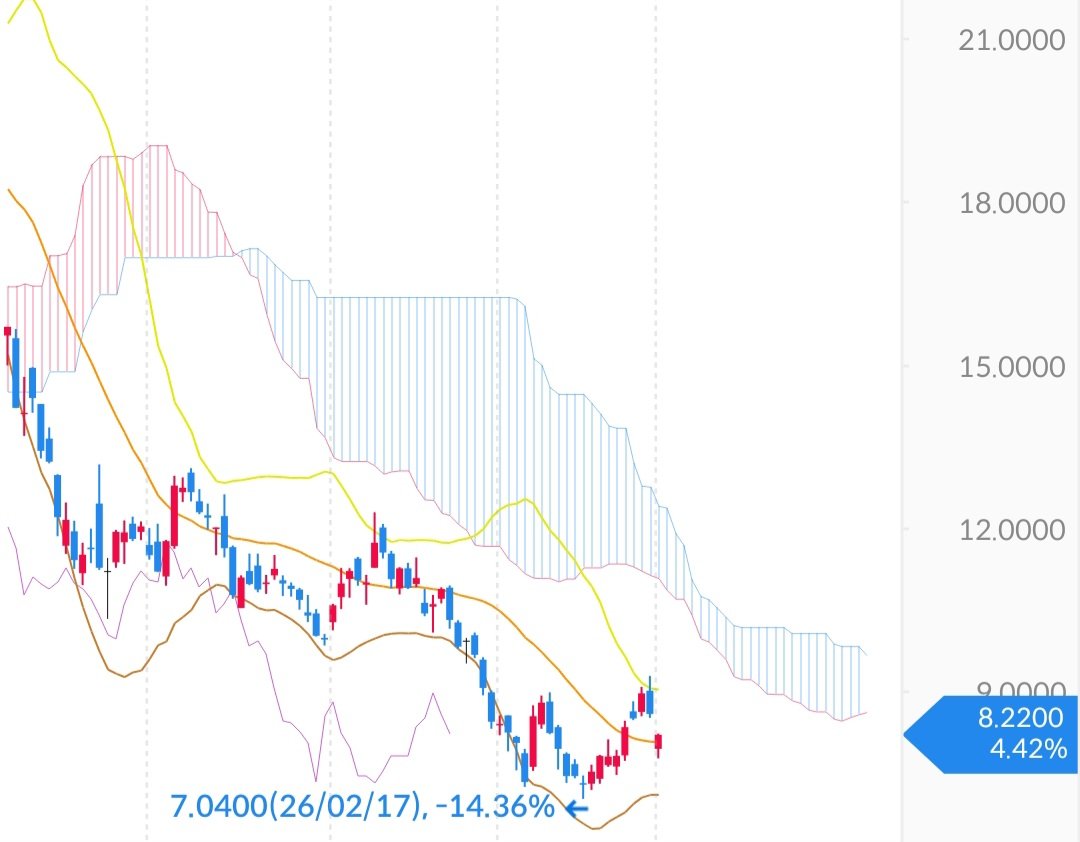
H.C. Wainwright’s cut from $26 to $20 is the headline, but the analyst spread tells the real story. Piper Sandler sits at $9. D.A. Davidson holds at $14. Cantor Fitzgerald recently moved to overweight with a $15 target. Consensus lands at $14.93. H.C. Wainwright’s $20 is the high-end outlier by a wide margin, which makes their maintained Buy rating feel more like a courtesy than a conviction call.
The rating breakdown: one Strong Buy, five Buys, three Holds, one Sell. That distribution sounds constructive until you strip out price targets — the average still sits 40% below H.C. Wainwright’s revised figure. Weiss Ratings holds a Sell. InvestingPro flags the stock as overvalued relative to fair value. SOUN is down 13.7% year to date while the Russell 2000 has added 6.1%. The stock is underperforming a benchmark it should theoretically beat in a risk-on tape. That gap matters.
SOUN delivered a legitimate beat, and FY2026 guidance at $242.5M midpoint implies the growth narrative remains intact. The problem is valuation. A $14.93 consensus target against a stock that still trades at a premium to that figure leaves little margin for execution error. Margin expansion is moving in the right direction, but three quarters of improvement does not validate a 70% gross margin target. The path to Q4 2026 operating profitability is real but narrow — any contract slip or macro softness in discretionary verticals compresses that timeline fast.
Watch Item: Q1 2026 revenue print and whether gross margin holds above 43% — any sequential contraction kills the margin expansion story heading into the H2 profitability window.
Disclaimer: This post is for informational purposes only and does not constitute investment advice. All investment decisions and their outcomes are solely the responsibility of the reader.